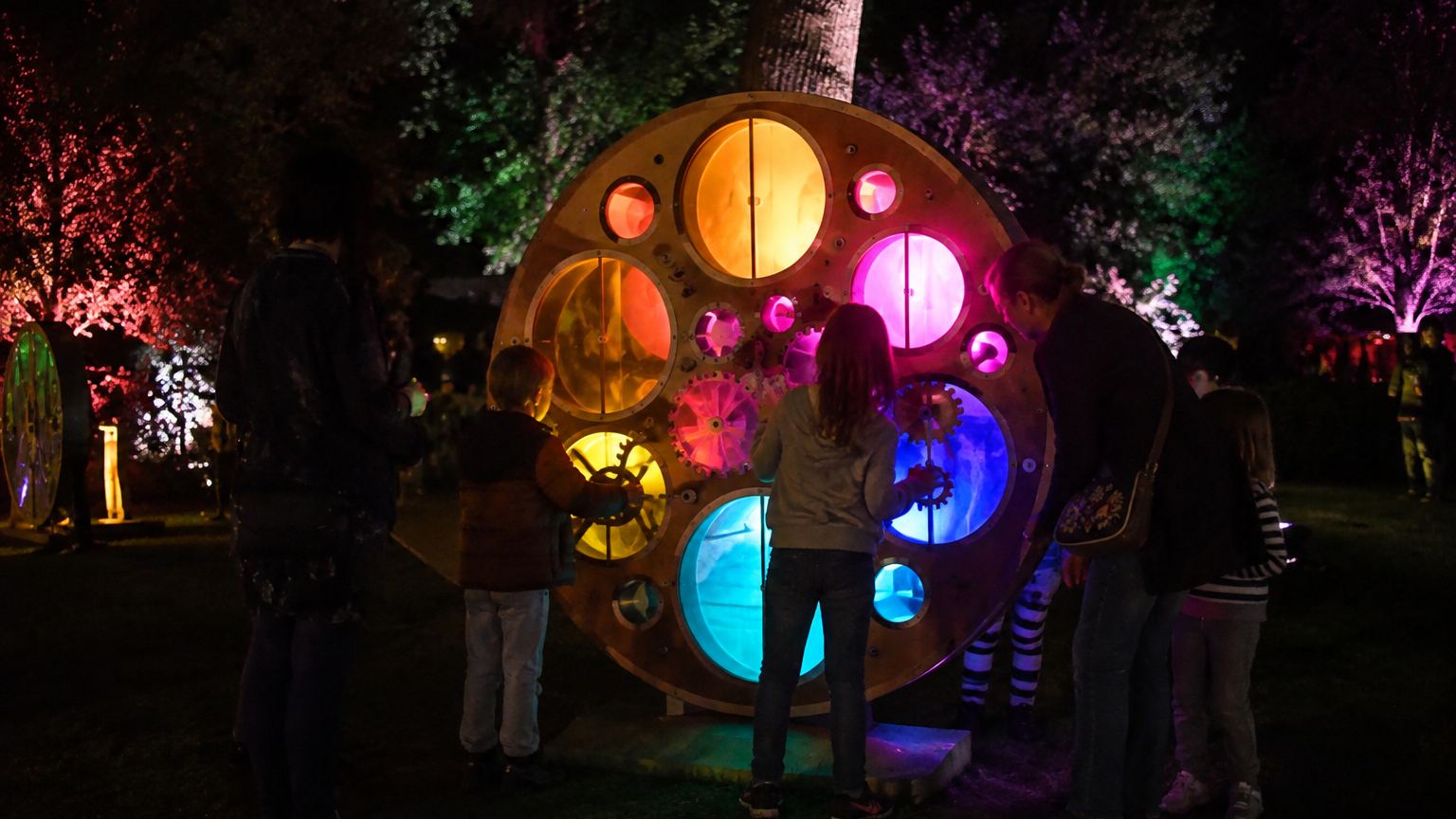
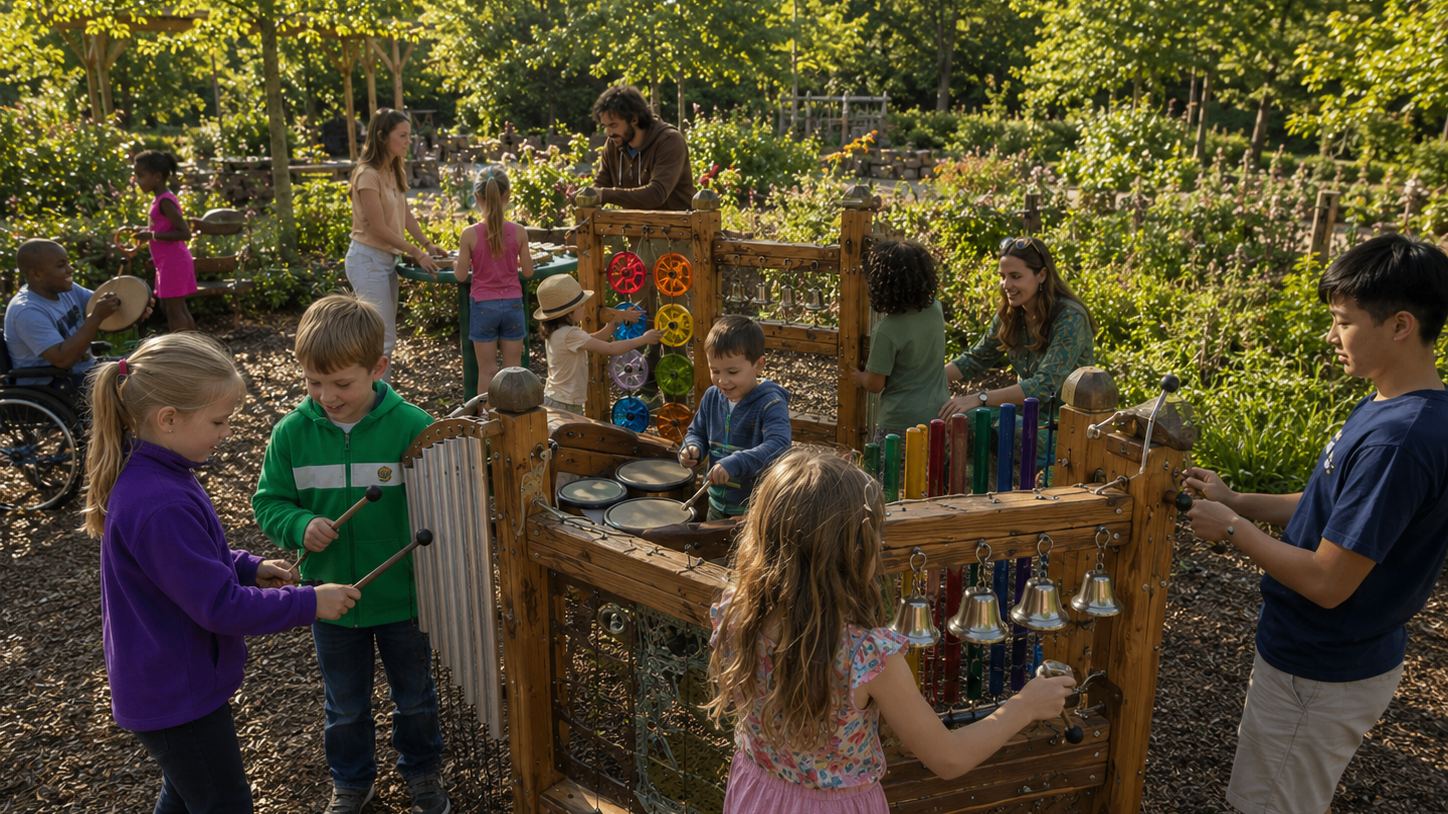
We don't dominate the environment — we work with it.
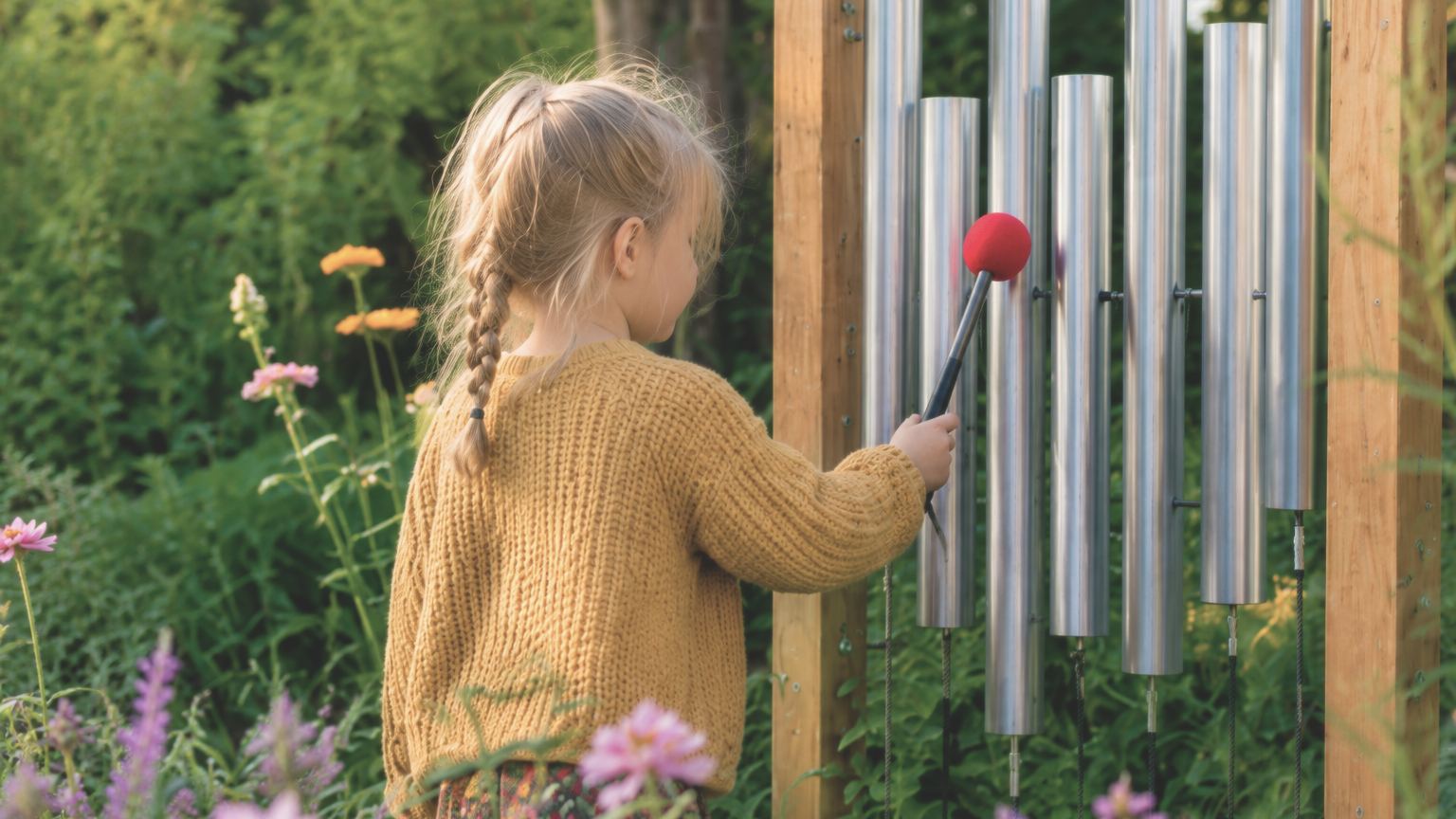
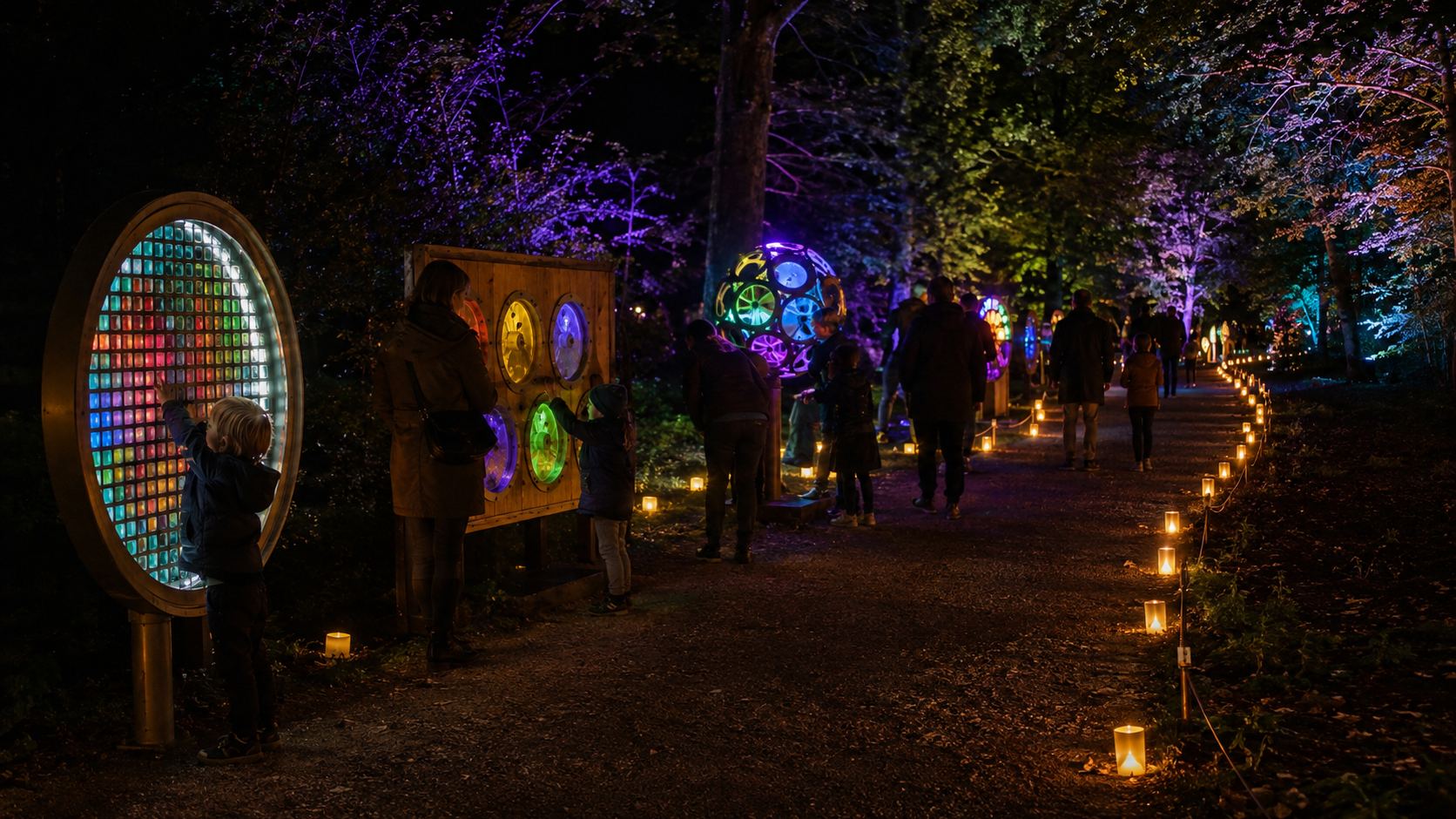
Our installations are designed for heritage and private gardens, arboretums, and other cultivated outdoor spaces on the outdoor side. Cathedrals, churches, ruins, and other places of worship on the indoor side. We don't impose our installation on a space — we craft it to sit organically within that space. Our installations respect their environment by harmoniously interweaving sound and light throughout the setting, drawing attention to and working with the significant elements that are already there.
The installation sits inside the place. The place remains itself.
We design from first principles to be calm, intriguing, contemplative, and coherent.
This is a deliberate design choice. It allows individuals who may be sensitive to overstimulation to participate in our events. Autistic, neurodivergent, ADHD, and disabled visitors often share a sensitivity to sensory environments. Families whose children carry those labels frequently avoid busy outdoor evening light and sound events for exactly that reason.
We are deliberately creating a safe space that serves these individuals, their friends and their families — and, in fact, anyone looking for a less overwhelming, less overstimulating, calmer experience. The work runs by day and by evening: daytime installations in gardens and open-air settings, working with natural light, and evening installations composed with light we make. Some of our evening events also provide a calmer alternative through the seasons dominated by Halloween, Guy Fawkes, Christmas light nights, and New Year, where the mainstream recipe is glaringly bright, loud, and busy.
Interactivity is a core component of the design. It serves three purposes.
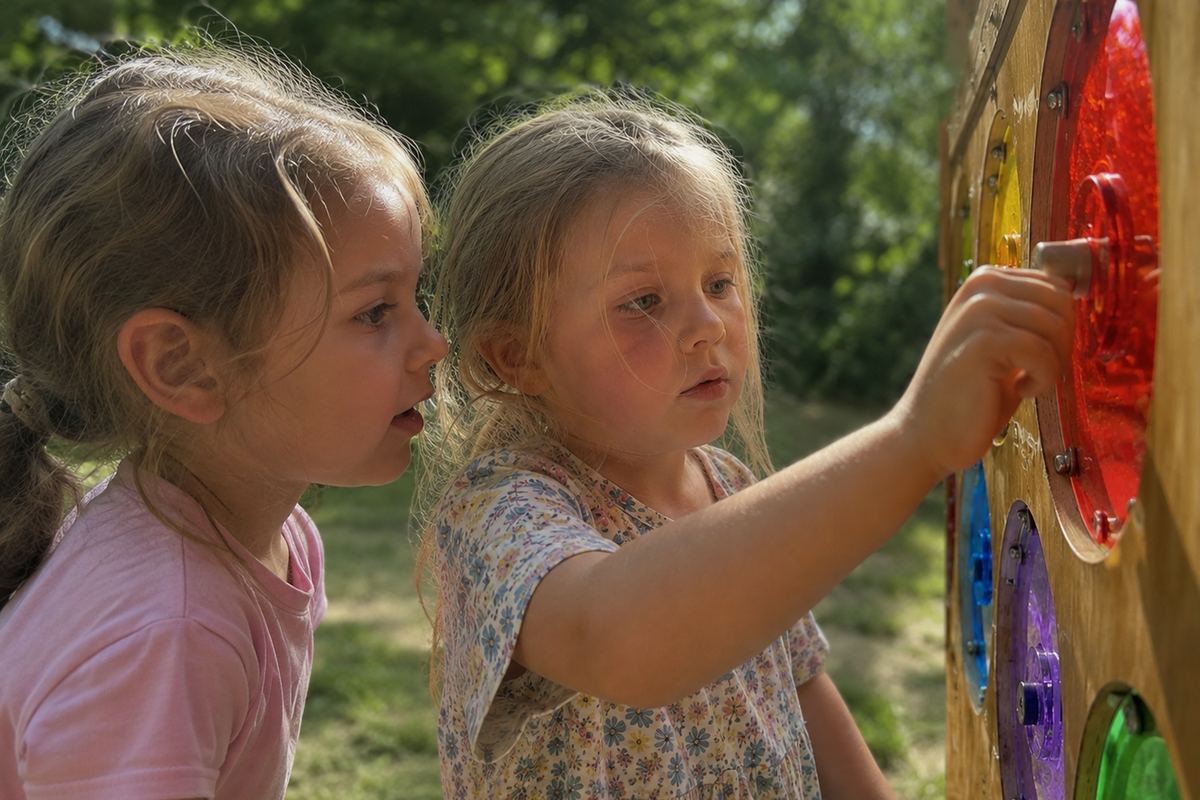
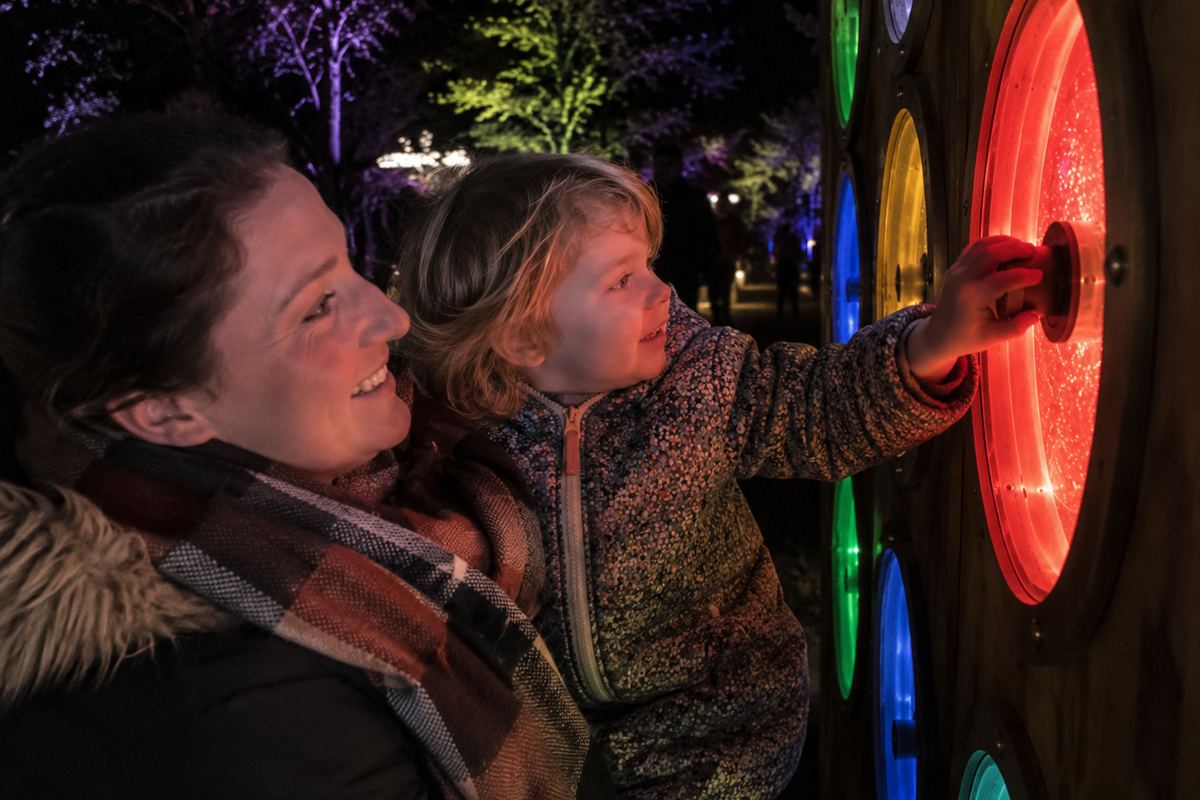
All participants can interact with our installations, and in doing so co-create the sound and light experience with the people around them. For visitors with additional needs or disabilities or whose everyday environments offer limited routes to expression, this can be connection and communication on a deep and meaningful level.
Responsiveness brings us into presence. It makes us feel seen and part of something, rather than passive observers.
Every experience is different. What the group in front of the installation does shapes what happens. It may feel similar the next time you come — it will never be the same.
A second community we are built for.
Our installations also offer an alternative to individuals and families who, for cultural or religious reasons, do not participate in some or all of the traditions around Halloween, Guy Fawkes, Christmas, or New Year — and for whom events that celebrate those offer little alignment with their values or traditions. From late October through to the new year, the UK cultural calendar is dominated by those specific celebrations, and there is very little outside them to attend. We are building something that sits outside that seasonal frame.
The company.
Interwoven Arts CIC was incorporated on 10 April 2026 at Companies House, company number 17148027. As a Community Interest Company we are a regulated non-profit — our assets are locked to this mission, and any surplus we generate must go back into serving it. It was founded by three directors bringing creative direction, therapeutic practice, and documentary film to the work — read more about the team.
Our first installation, Arley AfterDark, is in pre-production for a 2026–27 opening at Arley Arboretum, one of Britain's oldest arboretums, in Worcestershire. A research programme called Coherent Sensory Spaces is at proposal stage, alongside the artistic work. We are actively seeking founding funders, venue partners, and research collaborators.
The people most in need of this work — SEND schools on thin budgets, children's and adults' respite services, care-home residents, low-income families — often cannot pay ticket prices, and many face practical barriers to attending public events at all. If outreach depended on charitable donations, it would be the first thing to be cut when budgets tightened. Structuring as a CIC means ticket revenue from public installations subsidises the access side — tailored school visits, quieter sessions outside public opening hours, and adapted installations brought directly into settings where public attendance is not practical. The reach is part of the structure, not dependent on external charity.
Help us deliver the first installation and the feasibility study.
We are actively seeking founding funders — trusts, foundations, and philanthropic individuals — to back our first installation at Arley Arboretum and the Coherent Sensory Spaces feasibility study running alongside it.
A founder pack with financials, governance, theory of change, and the artistic and research proposals is available on request. To start the conversation, email info@interwovenartscic.org.
Heritage venue, researcher, or simply want occasional updates? See Installations, Research, or Contact.